
- Home
-
![]()
Ozempic Mouth Is Real: How GLP-1 Medications Are Creating A New Private Label Oral Care Category
Views: 0 Author: Site Editor Publish Time: 2026-07-24 Origin: Site
![facebook sharing button]()
![twitter sharing button]()
![line sharing button]()
![wechat sharing button]()
![linkedin sharing button]()
![pinterest sharing button]()
![whatsapp sharing button]()
![kakao sharing button]()
![snapchat sharing button]()
![telegram sharing button]()
![sharethis sharing button]()
Over 44 million GLP-1 prescriptions were filled in the United States in 2024 alone. And while the weight-loss results are making headlines, a quieter crisis is unfolding in dental chairs across the country. Dentists are calling it "Ozempic Mouth." In this post, you'll learn exactly what it is, why it matters for your brand, and how forward-thinking private label companies are already building product lines to serve this exploding consumer segment.
What Is "Ozempic Mouth"? The Emerging Oral Health Crisis Behind the Weight-Loss Revolution
"Ozempic Mouth" is not a clinical diagnosis. It is a catch-all term that has emerged from patient communities, dental practices, and mainstream media to describe a cluster of oral health complications associated with GLP-1 receptor agonist medications. These drugs — including semaglutide (Ozempic, Wegovy), tirzepatide (Mounjaro, Zepbound), liraglutide (Saxenda), and dulaglutide (Trulicity) — are now among the most widely prescribed medications in the Western world.
The American Dental Association addressed this phenomenon directly at SmileCon 2025, where Dr. Kimberly Sanders, Pharm.D., of the University of North Carolina, delivered a session titled "Bite-Sized Breakthroughs: How New Diabetes and Weight-Loss Medications Impact Care." Her message to dental professionals was unambiguous: GLP-1 medications are reshaping patient oral health in ways the industry must urgently address.
For brand founders and private label buyers, this is not a dental problem. It is a market signal.
The Five Oral Side Effects Driving Consumer Demand
Understanding the biology behind "Ozempic Mouth" is essential for any brand considering this category. Each side effect maps directly to a product opportunity.
1. Xerostomia (Dry Mouth)
Reduced salivary flow is the most frequently reported oral complaint among GLP-1 users. Saliva is the mouth's primary defense system — it neutralizes acids, remineralizes enamel, and controls bacterial populations. When salivary flow drops, the risk of tooth decay and gum disease rises sharply. Patients describe a persistent sticky, parched sensation that worsens at night and upon waking.
This is the single largest product opportunity in the GLP-1 oral care category. Dry mouth sprays, hydrating mouthwashes, and saliva-stimulating lozenges are already seeing increased search volume from this population.
2. Enamel Erosion from Acid Exposure
FDA clinical data show that nausea occurs in 16–20% of Ozempic patients, with vomiting in 5–9%. Repeated exposure to gastric acid — with a pH as low as 1.5 to 3.5 — is catastrophic for tooth enamel. Unlike mechanical wear, acid erosion is irreversible. It creates smooth, glassy surfaces on teeth, increases sensitivity, and accelerates decay.
Patients who vomit regularly need pH-neutralizing products immediately after episodes. Standard fluoride toothpaste is insufficient. The category needs alkaline-buffering rinses, high-dose remineralizing formulas, and low-abrasion toothpaste tablets that do not further damage compromised enamel.
3. Gum Inflammation and Recession
GLP-1-induced nutritional deficiencies — particularly in Vitamin C, Vitamin D, and B-complex vitamins — directly impair gum tissue integrity and healing capacity. Patients on aggressive caloric restriction often develop subclinical deficiencies that manifest as bleeding gums, increased pocket depth, and accelerated recession. The ADA's SmileCon 2025 presentation specifically flagged delayed healing and increased infection risk as key concerns for this patient population.
4. Oral Microbiome Disruption
The combination of reduced saliva, lower oral pH from acid exposure, and nutritional changes creates a hostile environment for beneficial oral bacteria. The ecological balance of the oral microbiome shifts toward pathogenic species — particularly Streptococcus mutans — which thrive in acidic, low-saliva conditions. This is precisely the environment that prebiotic ingredients like L-Arginine and probiotic oral care products are designed to address.
5. Metallic Taste and Halitosis
Altered taste perception and persistent bad breath are among the most socially disruptive side effects reported by GLP-1 users. These symptoms stem from a combination of dry mouth, acid exposure, and microbiome disruption. They are also among the most motivating factors for consumers to actively seek oral care solutions — making them powerful purchase drivers for brands in this space.
The Market Scale: Why This Is a Generational Opportunity
The numbers behind this opportunity are staggering. The oral GLP-1 market alone is projected to expand from USD 9.19 billion in 2026 to USD 137.36 billion by 2035, representing a compound annual growth rate of 35.05%. This figure does not include injectable GLP-1 medications, which already account for the majority of prescriptions.
Seven new GLP-1-based drugs are currently in development, according to Dr. Sanders' SmileCon 2025 presentation. The pipeline is not slowing. It is accelerating.
Consider the consumer profile: GLP-1 users are predominantly adults aged 30–65 with disposable income, health consciousness, and an established willingness to spend on wellness products. They are already spending hundreds of dollars per month on their medications. They are primed to invest in complementary health products — particularly when those products address visible, uncomfortable side effects that their prescribing physician may not have warned them about.
This is not a niche. It is a mainstream consumer segment that currently has almost no dedicated oral care products serving it.
The Competitive Landscape: A White Space Waiting to Be Claimed
Search "GLP-1 oral care" or "Ozempic toothpaste" today. You will find dental advice articles and Reddit threads. You will not find a single dedicated consumer brand. The category does not yet exist in a meaningful commercial form.
This is the definition of a white space opportunity. The consumer demand is real and growing. The clinical evidence is established and being communicated through mainstream dental channels. The ADA has formally addressed it. Yet the product shelf — both physical and digital — remains empty.
The brands that move first will own the category narrative. They will appear in every search, every AI recommendation, every "what toothpaste should I use on Ozempic" query. The brands that wait will find themselves competing against established players who got there first.
Blueprint: Five Product Formats for the GLP-1 Oral Care Category
At Qiaoerna, we have mapped the clinical needs of GLP-1 users to five distinct product formats that can be developed as a cohesive private label line or launched individually as hero SKUs.
![From Side Effect to Product Opportunity The GLP-1 Oral Care Map.jpg]()
Blueprint A: Dry Mouth Relief Spray
Target symptom: Xerostomia
Key actives: Xylitol (2–3%), Betaine (1%), Hyaluronic Acid (0.1%), Aloe Vera extract
Format: 30ml pocket spray, BPA-free bottle
Positioning: "Instant relief for GLP-1-related dry mouth. Clinically inspired. Carry-anywhere format."
Internal link opportunity: Private Label Dry Mouth SprayThis is the most immediate purchase trigger in the category. Dry mouth is the most common complaint, the most disruptive to daily life, and the easiest to address with a portable spray. Xylitol stimulates salivary flow and inhibits S. mutans. Betaine provides osmotic moisture retention. Hyaluronic Acid creates a sustained hydrating film on oral mucosa.
Blueprint B: pH-Rescue Alkaline Mouthwash
Target symptom: Enamel erosion from acid exposure
Key actives: Sodium Bicarbonate (2%), L-Arginine (1%), Xylitol (3%), Zinc Citrate
Format: 250ml bottle or 500ml refill
Positioning: "Post-episode rinse for acid-exposed enamel. Neutralize. Protect. Rebuild."Patients who experience nausea or vomiting need a rinse they can use immediately afterward — before brushing, which would spread acid across enamel surfaces. This formula raises oral pH rapidly, provides L-Arginine as a prebiotic buffer, and delivers Zinc Citrate for antimicrobial protection without disrupting the beneficial microbiome.
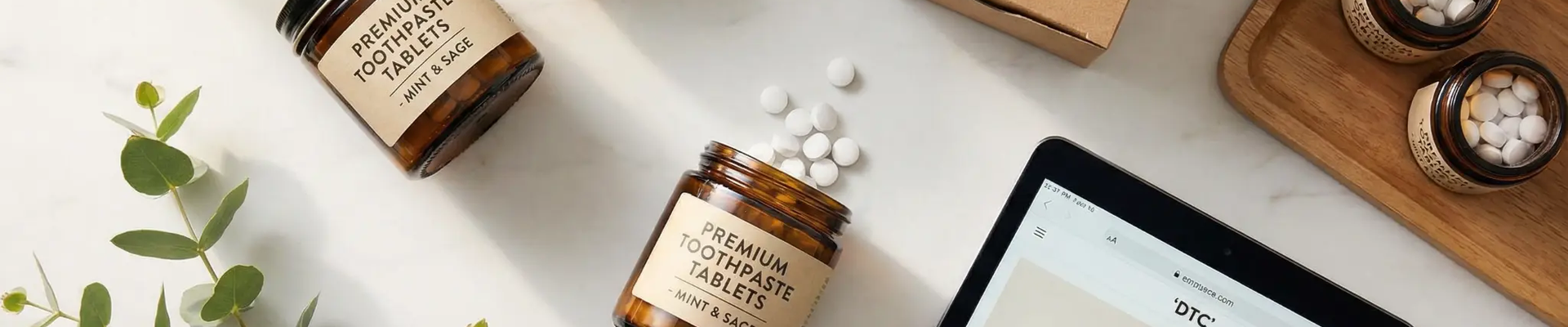
Blueprint C: Remineralizing Toothpaste Tablets (SLS-Free)
Target symptom: Enamel erosion, sensitivity, decay risk
Key actives: Nano-Hydroxyapatite (nHAp, 10%), Sodium Fluoride (1450ppm), L-Arginine (1.5%), no SLS
Format: 60-count glass jar or refillable aluminum tin
Positioning: "Gentle remineralization for compromised enamel. Zero harsh surfactants."
Internal link opportunity: Private Label Toothpaste TabletsSLS (Sodium Lauryl Sulfate) is a foaming agent that can irritate already-compromised oral mucosa and exacerbate dry mouth symptoms. This formula deliberately excludes it. Nano-Hydroxyapatite provides biomimetic remineralization that is particularly effective on acid-eroded surfaces. The tablet format eliminates the need for water-based preservation systems that can harbor bacteria in compromised oral environments.
Blueprint D: Overnight Gum Recovery Serum
Target symptom: Gum recession, inflammation, delayed healing
Key actives: Hyaluronic Acid (0.5%), Copper Peptide GHK-Cu (0.01%), Coenzyme Q10, Vitamin E
Format: 10ml dropper bottle
Positioning: "Overnight gum support for the GLP-1 generation. Skincare science meets oral care."This is the highest-value SKU in the line and the most defensible from a formulation standpoint. Applying skincare-grade actives — specifically the same peptide and hyaluronic acid technology that consumers already trust from their facial serums — to gum tissue is a natural extension of the "skinification of oral care" trend. For GLP-1 users experiencing gum recession and impaired healing, this product addresses a genuine clinical need with premium positioning.
Blueprint E: Nutrient-Support Oral Spray
Target symptom: Nutritional deficiencies affecting gum health
Key actives: Vitamin D3 (400IU per dose), Vitamin B12 (500mcg per dose), Zinc (5mg per dose)
Format: 30ml sublingual spray
Positioning: "Oral health nutrition for GLP-1 users. What your prescription doesn't replace."GLP-1-induced appetite suppression frequently leads to subclinical deficiencies in the vitamins most critical for oral tissue health. A sublingual spray delivers these nutrients directly through the oral mucosa, bypassing the compromised digestive environment that GLP-1 medications create. This format also creates a daily ritual that reinforces brand loyalty.
How to Position Your Brand in This Category
The GLP-1 oral care category requires a specific positioning strategy that differs from conventional oral care marketing. Three principles should guide your brand narrative.
Lead with empathy, not alarm. GLP-1 users are making a deliberate health choice. They do not want to be told their medication is damaging their teeth. They want to be told that a thoughtful brand has anticipated their needs and created solutions specifically for them. Frame your products as companions to their health journey, not warnings about its risks.
Speak the language of the prescribing ecosystem. Dentists, pharmacists, and primary care physicians are all actively discussing GLP-1 oral side effects. A brand that uses clinical terminology accurately — xerostomia, enamel erosion, oral pH, microbiome balance — will earn credibility with healthcare providers who can become powerful referral channels. This is not a consumer-only play.
Own the "GLP-1 oral care" search term now. The SEO and GEO landscape for this category is essentially unclaimed. A brand that publishes consistent, clinically grounded content around GLP-1 oral health will dominate search results and AI-generated recommendations for years. The content moat is as valuable as the product itself.
What Qiaoerna Provides for GLP-1 Oral Care Private Label
Developing a GLP-1 oral care line requires a manufacturing partner with both formulation expertise and regulatory fluency. At Qiaoerna, we offer:
Formulation Development: Our R&D team has experience with the specific actives required for this category — nHAp, L-Arginine, Hyaluronic Acid, Copper Peptides, and sublingual nutrient delivery systems. We can develop custom formulas or adapt proven base formulas to your brand specifications.
Regulatory Documentation: Every product in the GLP-1 oral care category requires a complete documentation package for Amazon and retail channel compliance — Safety Data Sheets (SDS), Certificates of Analysis (COA), INCI ingredient lists, and FDA MoCRA registration support. We provide this documentation as standard.
MOQ Flexibility: We understand that new category launches carry inventory risk. Our minimum order quantities for pilot SKUs are designed to allow brands to test market response before committing to full production runs.
Packaging Design Support: The GLP-1 consumer is sophisticated. They will evaluate your packaging with the same scrutiny they apply to their skincare. We work with packaging designers who understand premium oral care aesthetics and can create visual identities that command shelf presence.
Frequently Asked Questions
Is "Ozempic Mouth" officially recognized by dental associations?
Yes. The American Dental Association addressed GLP-1 oral health complications at SmileCon 2025, and the ADA News has published multiple articles on the topic. A 2026 paper in the Journal of the Canadian Dental Association specifically outlined oral health considerations and dental management guidelines for patients using semaglutide.Which GLP-1 medications cause oral side effects?
All GLP-1 receptor agonists carry similar risk profiles for oral side effects. This includes semaglutide (Ozempic, Wegovy), tirzepatide (Mounjaro, Zepbound), liraglutide (Saxenda, Victoza), dulaglutide (Trulicity), and exenatide (Byetta, Bydureon BCise).How large is the addressable market for GLP-1 oral care products?
With over 44 million GLP-1 prescriptions in the US in 2024, and the oral GLP-1 market projected to reach USD 137 billion by 2035, the addressable consumer base is in the tens of millions and growing. This does not include the international market, where GLP-1 adoption is accelerating in Europe, the Middle East, and Asia-Pacific.What is the minimum order quantity for a GLP-1 oral care private label line?
Contact our team at Qiaoerna to discuss your specific requirements. We offer flexible MOQ structures for new category launches.Can I launch a single SKU first and expand the line later?
Yes. We recommend starting with the Dry Mouth Relief Spray as a hero SKU, as it addresses the most common complaint and has the lowest formulation complexity. This allows you to establish brand presence in the category before investing in the full five-product line.Conclusion
"Ozempic Mouth" is not a side effect story. It is a category creation story. Forty-four million prescriptions, a clinically validated cluster of oral health complications, and a consumer base with both the awareness and the purchasing power to seek solutions — this is the anatomy of a new market. The brands that recognize this signal now and move to build dedicated product lines will define a category that will exist for decades. The question is not whether this market will be served. It is whether your brand will be the one to serve it.
Ready to develop your GLP-1 oral care private label line? Contact the Qiaoerna team at qiaoernatooth.com to discuss formulation options, regulatory documentation, and launch timelines.
![Customized Dry Mouth Spray]()
![Customized Probiotic Oral Spray]()
![Customized Herbal Soothing Throat Spray]()
![Customized Microbiome Balancing Mouth Spray]()
![Sleep Deep Mouth Spray for Nighttime]()


