

- Home
-
![]()
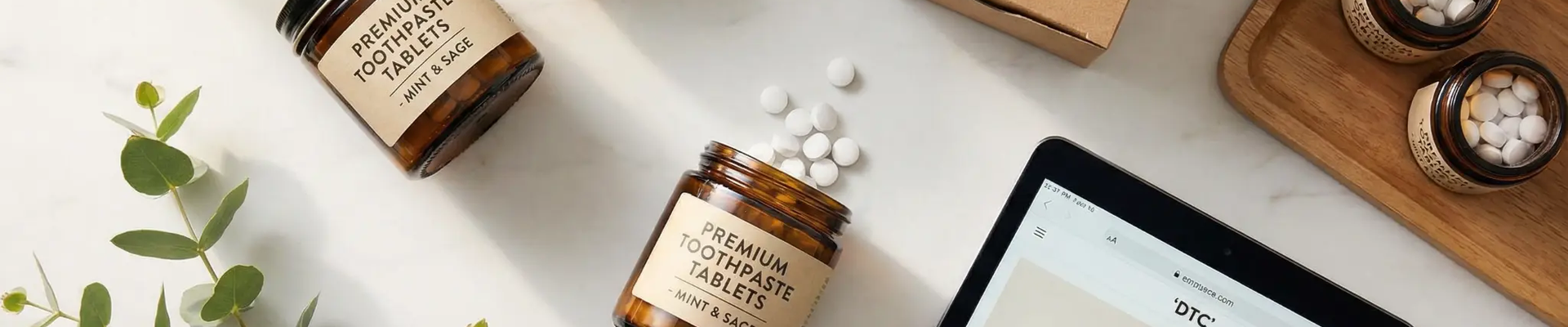
The Rise of Flavored Oral Care: How Unique Taste Profiles Are Becoming A Brand Differentiation Strategy
Views: 0 Author: Xiaoying Publish Time: 2026-07-20 Origin: Site
![facebook sharing button]()
![twitter sharing button]()
![line sharing button]()
![wechat sharing button]()
![linkedin sharing button]()
![pinterest sharing button]()
![whatsapp sharing button]()
![kakao sharing button]()
![snapchat sharing button]()
![telegram sharing button]()
![sharethis sharing button]()
For decades, the oral care aisle has been a sea of uniformity. Walk into any pharmacy, and the sensory experience is overwhelmingly singular: mint. Peppermint, spearmint, wintergreen, or "cool mint" — the variations are subtle, but the underlying message is the same. Mint has long been synonymous with cleanliness, freshness, and clinical efficacy. But in 2026, a quiet revolution is taking place in the bathrooms of consumers worldwide. The monopoly of mint is breaking, and in its place, a vibrant spectrum of unique, unexpected flavors is emerging.
From watermelon and matcha green tea to salted caramel and botanical blends like lavender-vanilla, flavored oral care is no longer a novelty reserved for children's toothpaste. It has become a sophisticated, high-growth segment driven by adult consumers seeking a more personalized, enjoyable daily routine. For private label brands and oral care entrepreneurs, this shift represents a massive opportunity. Flavor is no longer just a matter of taste; it is a powerful brand differentiation strategy, a tool for storytelling, and a key driver of consumer loyalty.
In this comprehensive guide, we will explore the rise of flavored oral care, the consumer psychology driving the trend, and how brands can leverage unique taste profiles to carve out a distinct identity in a crowded market. We will also examine the formulation challenges of moving beyond mint and how a professional OEM partner like Qiaoerna can help you bring innovative flavors to life.
Key Takeaways
The End of the Mint Monopoly: While mint remains dominant, consumer fatigue with harsh, clinical flavors is driving demand for alternatives. The global toothpaste tablets market, a key driver of flavor innovation, is projected to reach $151.0 million by 2033 [1].
The Skinification of Oral Care: Consumers are treating oral care as an extension of their beauty and wellness routines. Just as skincare offers diverse sensory experiences, oral care is expected to provide pleasure, not just utility [2].
Flavor as Brand Identity: Unique flavors (e.g., matcha, coconut, floral blends) allow brands to target specific demographics, tell compelling ingredient stories, and differentiate themselves from legacy competitors.
The Premiumization Opportunity: Consumers are willing to pay a premium for sophisticated, adult-oriented flavors that elevate the brushing experience from a chore to a ritual.
Formulation Expertise is Critical: Developing non-mint flavors requires advanced formulation skills to balance taste, stability, and the perception of freshness without relying on the traditional cooling effect of menthol.
1. The Psychology of Flavor: Why Mint Became King (and Why It's Losing Its Crown)
To understand the rise of alternative flavors, we must first understand why mint dominated for so long. The association between mint and oral cleanliness is not a biological imperative; it is a triumph of 20th-century marketing.
The Legacy of Pepsodent and the "Tingle"
In the early 1900s, advertising pioneer Claude Hopkins was tasked with selling Pepsodent toothpaste. He identified a "cue" (the film on teeth) and a "reward" (a beautiful smile). But the true genius of Pepsodent was the inclusion of citric acid, mint oil, and other chemicals that created a cool, tingling sensation in the mouth. This tingle didn't actually make the toothpaste more effective at cleaning, but it provided a tangible, physical proof that the product was "working."
Over the next century, this association became hardwired into consumer psychology. Mint = clean. The stronger the mint, the cleaner the mouth. Legacy brands leaned into this, creating increasingly intense, sometimes harsh, mint flavors designed to blast away bad breath.
The Rise of Mint Fatigue
However, the modern consumer is evolving. The intense, burning sensation of traditional mint toothpaste is increasingly viewed not as a sign of efficacy, but as an aggressive, unpleasant experience. This is particularly true for consumers with sensitive teeth or gums, for whom strong mint can be genuinely painful.
Furthermore, the clinical, medicinal association of mint feels out of step with the broader wellness movement. Consumers are seeking products that are gentle, natural, and enjoyable to use. They want their morning routine to be a moment of self-care, not a sensory assault. This "mint fatigue" has created a void in the market — a void that innovative brands are rushing to fill.
2. The "Skinification" of Oral Care and the Demand for Sensory Pleasure
The shift away from mint is inextricably linked to a broader macro-trend: the "skinification" of oral care. This concept refers to the application of skincare principles, ingredients, and marketing strategies to the oral care category [2].
From Hygiene to Beauty and Wellness
Historically, oral care was positioned purely as a hygiene and health necessity — a chore performed to prevent cavities and avoid the dentist. Today, it is increasingly viewed as an essential part of a holistic beauty and wellness regimen. A healthy, radiant smile is seen as a key component of overall attractiveness and well-being.
This shift in perception has profound implications for product development. In skincare, consumers expect a multi-sensory experience. They choose serums and moisturizers not just for their active ingredients, but for their texture, absorption, and scent. They want products that feel luxurious and smell delightful.
The Expectation of Enjoyment
As oral care becomes "skinified," consumers are bringing these same expectations to their toothpaste, mouthwash, and oral sprays. They are no longer satisfied with a purely functional product; they want an enjoyable experience.
This is where flavor innovation becomes crucial. A toothpaste flavored with natural coconut and chamomile, or a mouthwash infused with rose and aloe vera, transforms a mundane task into a moment of indulgence. It elevates the product from a commodity to a premium lifestyle accessory. Brands that understand this shift are using flavor to signal that their products are not just about preventing decay, but about enhancing the daily ritual of self-care.
3. Flavor Profiles as Brand Storytelling
In a crowded market, a unique flavor profile is one of the most effective ways to differentiate a brand and communicate its core values. Flavor is not just an ingredient; it is a narrative tool.
The Natural and Botanical Narrative
For brands positioning themselves in the natural, eco-conscious space, botanical and herbal flavors are a powerful differentiator. Flavors like fennel, clove, neem, and matcha green tea signal a departure from synthetic chemicals and a return to traditional, plant-based wellness [3].
These flavors appeal to consumers who are scrutinizing ingredient lists and seeking products free from artificial colors, sweeteners, and preservatives. A brand offering a "Himalayan Neem & Basil" toothpaste is immediately communicating a commitment to natural efficacy and holistic health, without needing to write a paragraph of marketing copy.
The Premium and Indulgent Narrative
Other brands are taking inspiration from the culinary and beverage worlds to create highly sophisticated, indulgent flavor profiles. We are seeing the emergence of flavors like:
Dessert-inspired: Red velvet, salted caramel, and vanilla bean [4].
Beverage-inspired: Earl grey tea, matcha, and even cocktail-inspired profiles like mojito or gin and tonic.
Exotic fruits: Yuzu, dragon fruit, and lychee.
These flavors target a premium demographic willing to pay a higher price point for a unique sensory experience. They appeal to the "foodie" consumer and those who view their personal care products as an expression of their sophisticated tastes. A brand offering a "Sicilian Lemon & Bergamot" toothpaste is positioning itself alongside high-end perfumes and artisanal foods.
The Targeted Demographic Narrative
Flavor can also be used to target specific consumer segments. For example:
Gen Z and Millennials: These demographics are highly open to experimentation and novelty. They are driving the demand for unexpected, "Instagrammable" flavors like blue raspberry or color-changing formulations [4].
Consumers with Sensitivities: Mild, non-mint flavors like gentle strawberry or unflavored options cater to individuals with sensory processing sensitivities, autism, or simply those who find mint too aggressive.
Pregnancy: Many pregnant women experience heightened taste sensitivity and nausea triggered by strong mint. Mild, ginger or citrus-flavored oral care products can provide a much-needed alternative.
![Flavor as a Brand Differentiation Strategy.png]()
4. The Strategic Advantages of Flavor Differentiation
For a private label brand or an entrepreneur launching a new oral care line, competing head-to-head with legacy brands on "minty freshness" is a losing battle. The legacy brands have decades of brand equity and massive marketing budgets dedicated to owning the concept of mint.
Choosing a unique flavor profile offers several strategic advantages:
1. Immediate Shelf (and Screen) Standout
Whether on a physical retail shelf or an Amazon search results page, a unique flavor immediately catches the eye. A consumer scrolling past dozens of identical blue-and-white "Cool Mint" tubes will pause when they see a beautifully packaged "Lavender & White Tea" toothpaste tablet. The flavor itself becomes the hook that drives the initial click or purchase.
2. Higher Perceived Value and Premium Pricing
Consumers expect to pay standard commodity prices for standard mint toothpaste. However, they are conditioned to pay a premium for specialized, artisanal, or "gourmet" flavors. By offering a unique taste profile, brands can escape the race to the bottom on price and establish a premium positioning that supports higher margins.
3. Increased Consumer Loyalty and Word-of-Mouth
When a consumer finds a unique flavor they love, they are highly likely to become a repeat purchaser, as they cannot easily find a substitute from a legacy brand. Furthermore, unusual flavors drive word-of-mouth marketing. A consumer is unlikely to tell their friends about a new mint toothpaste, but they will absolutely mention a "Matcha Mint" or "Watermelon Basil" toothpaste they recently discovered.
4. Expanding the Product Portfolio
Flavor innovation allows brands to easily expand their product lines and encourage multi-item purchases. A brand might offer an "Energizing Citrus" toothpaste for the morning routine and a "Calming Chamomile" toothpaste for the evening routine. This "day/night" strategy, borrowed directly from skincare, increases the average order value and deepens the consumer's engagement with the brand.
5. The Formulation Challenge: Delivering Freshness Without Mint
While the marketing benefits of unique flavors are clear, the formulation challenges are significant. This is where the expertise of a professional OEM partner like Qiaoerna becomes invaluable.
The "Freshness" Dilemma
The biggest hurdle in developing non-mint oral care is replicating the feeling of freshness. Consumers have been conditioned to associate the cooling sensation of menthol (the active compound in mint) with a clean mouth. When you remove menthol, you remove that physical cue.
If a fruit or dessert-flavored toothpaste does not leave the mouth feeling clean and refreshed, the consumer will reject it, regardless of how good it tastes. They may feel like they have just eaten candy rather than brushed their teeth.
OEM Solutions for Non-Mint Freshness
Overcoming this dilemma requires sophisticated formulation strategies:
Alternative Cooling Agents: Formulators can use menthol derivatives or synthetic cooling agents that provide a physical cooling sensation without the strong minty taste. This allows the primary flavor (e.g., watermelon or peach) to shine through while still delivering the expected "tingle."
Balancing Sweetness and Acidity: Fruit flavors must be carefully balanced. If they are too sweet, they feel unhygienic. By incorporating subtle citrus notes or balancing the pH, formulators can create a "crisp" fruit flavor that feels cleansing rather than cloying.
The "Mint-Adjacent" Strategy: Many successful brands bridge the gap by combining a unique flavor with a subtle hint of mint. "Watermelon Mint," "Ginger Mint," or "Coconut Spearmint" offer the novelty of a new flavor while retaining a familiar anchor of freshness.
Focusing on Astringency: Ingredients like green tea extract or certain botanical astringents can leave the mouth feeling tight and clean, providing a different but equally satisfying physical cue of efficacy.
Stability and Efficacy
Beyond taste, the chosen flavor compounds must be stable within the formulation. They must not degrade over time, alter the color of the product, or interact negatively with active ingredients like fluoride or nano-hydroxyapatite.
At Qiaoerna, our R&D team specializes in flavor profiling and stability testing. We work with high-quality, food-grade flavoring agents and essential oils to ensure that the final product not only tastes exceptional but maintains its efficacy and shelf life.
6. Case Studies: Brands Winning with Flavor
Several innovative brands have successfully leveraged flavor differentiation to disrupt the oral care market:
Marvis: The Pioneer of Premium Flavors
The Italian brand Marvis is perhaps the most famous example of flavor-driven premiumization. By offering sophisticated, unexpected flavors like "Jasmin Mint," "Amarelli Licorice," and "Ginger Mint," packaged in elegant, vintage-inspired tubes, Marvis transformed toothpaste into a luxury lifestyle product. They proved that consumers would pay a significant premium for an elevated sensory experience.
HiSmile: The "Beauty" Toothpaste
HiSmile has fully embraced the skinification of oral care, marketing their products with the aesthetics of a trendy cosmetics brand. Their flavor range is unapologetically fun and indulgent, featuring options like "Red Velvet," "Pistachio," "Mango Sorbet," and "Blue Raspberry." By treating flavor like a limited-edition makeup drop, they have cultivated a massive, highly engaged following among Gen Z consumers.
Boka: The Natural Botanical Approach
Boka focuses on natural ingredients and the use of nano-hydroxyapatite instead of fluoride. Their flavor profiles reflect this clean, holistic positioning, with options like "Ela Mint" (mint, green tea, and cardamom) and "Coco Ginger." These sophisticated botanical blends appeal to health-conscious consumers seeking a gentle, natural alternative to harsh legacy brands.
7. How Qiaoerna Supports Your Flavor Innovation Strategy
If you are ready to launch an oral care brand that breaks the mold, Qiaoerna is your ideal OEM partner. We understand that flavor is a strategic asset, and we have the technical capabilities to bring your vision to life.
Custom Flavor Profiling
We do not just offer a standard menu of off-the-shelf flavors. Our formulation team works collaboratively with you to develop custom flavor profiles that align with your brand identity and target demographic. Whether you want a subtle floral blend for a premium wellness brand or a bold, fruity explosion for a youth-focused line, we can create it.
The Qiaoerna Flavor Library
For brands looking for a faster time-to-market, we offer an extensive library of pre-formulated, stability-tested flavor profiles, including:
The Botanicals: Matcha Green Tea, Lavender Vanilla, Rosemary Mint, Lemongrass.
The Exotics: Yuzu Citrus, Dragonfruit, Coconut Chamomile, Lychee.
The Indulgents: Salted Caramel, Vanilla Bean, Cinnamon Clove.
The Classics (Elevated): Crisp Peppermint, Sweet Spearmint, Wintergreen.
End-to-End Formulation and Compliance
Developing a new flavor is only the first step. We ensure that your custom formulation is stable, effective, and fully compliant with FDA and international regulations. We handle the complexities of balancing flavor agents with active ingredients, ensuring that your product delivers both an exceptional sensory experience and proven clinical results.
Conclusion: Taste the Future of Oral Care
The era of the mint monopoly is ending. As consumers increasingly view oral care through the lens of beauty, wellness, and self-care, their demand for diverse, enjoyable, and personalized sensory experiences will only grow.
For brands, this represents a profound opportunity. Flavor is no longer an afterthought; it is a strategic tool for differentiation, storytelling, and premiumization. By moving beyond mint and embracing unique taste profiles, you can capture the attention of modern consumers, build deep brand loyalty, and carve out a highly profitable niche in the $80 billion oral care market.
The future of oral care is flavorful. Are you ready to define your brand's signature taste? Contact Qiaoerna today to explore our custom formulation capabilities and start building an oral care line that consumers will truly love to use.
References
[1] Toothpaste Tablets Market | Industry Opportunity 2026 - 2033. Persistence Market Research. https://www.persistencemarketresearch.com/market-research/toothpaste-tablets-market.asp
[2] The Skinification of Oral Health: Why Oral Care is the New Beauty Essential. Rennaï. https://rennai.com/blogs/re-edit/the-skinification-of-oral-health-why-oral-care-is-the-new-beauty-essential
[3] Top 4 Trending Oral Care Flavours in India. Ariscent Lifesciences. https://ariscent.in/blog-details/top-4-trending-oral-care-flavours-in-india-ariscent-lifesciences
[4] 20 Non-Mint Flavored Toothpastes. Trend Hunter. https://www.trendhunter.com/slideshow/non-mint-flavored-toothpastes
[5] Oral care trends — Formulating products to meet rising consumer expectations. Shell Chemicals. https://www.shell.com/business-customers/chemicals/resources/oral-care-trends-formulating-products-to-meet-rising-consumer-expectations.html
[6] Skinification of Oral Care: Beauty Actives in Premium Toothpaste. Labtree. https://labtree.de/magazin/skinification-of-oral-care
![Watermelon Mousse Mouthwash – Refreshing Alcohol-Free Foaming Rinse]()
![Jasmine Green Tea Toothpaste Tablets with Probiotics]()
![Bubble Gum Toothpaste Tablet Manufacturer]()


