
- Home
-
![]()

The Future Of Alcohol-Free Mouthwash In Global Oral Care Markets
Views: 0 Author: Site Editor Publish Time: 2026-06-06 Origin: Site
![facebook sharing button]()
![twitter sharing button]()
![line sharing button]()
![wechat sharing button]()
![linkedin sharing button]()
![pinterest sharing button]()
![whatsapp sharing button]()
![kakao sharing button]()
![snapchat sharing button]()
![telegram sharing button]()
![sharethis sharing button]()
The global oral care industry is undergoing a rapid, structural shift. It continues moving away from cosmetic breath-freshening and directly toward clinical, therapeutic intervention. At the absolute forefront of this transition stands alcohol-free mouthwash, redefining daily hygiene routines.
Traditional alcohol-based formulas are steadily losing ground across international markets. Driven by evolving consumer awareness, stringent pediatric safety guidelines, and a rapidly aging global demographic, buyers consistently demand safer alternatives. Clinical professionals now scrutinize ethanol bases for causing well-documented adverse effects on the delicate oral microbiome and mucosal tissues.
For retail buyers, dental distributors, and practice managers, transitioning product portfolios toward alcohol-free variants is no longer a niche premium play. It represents a strict baseline requirement for ongoing market relevance. Embracing these advanced therapeutic formulations directly ensures superior patient compliance and predictable revenue growth.
Key Takeaways
Clinical Parity Achieved: Modern alcohol-free formulations utilizing Cetylpyridinium Chloride (CPC) or Chlorhexidine offer equal plaque-reduction efficacy without the mucosal irritation associated with ethanol.
Microbiome Prioritization: Academic studies confirm alcohol-free solutions maintain oral microflora stability, aligning with the rising consumer demand for "holistic health" products.
Demographic Targeting: Growth is disproportionately concentrated in specific segments: pediatric care, aging populations suffering from xerostomia (dry mouth), and post-operative dental patients.
Procurement Shift: Evaluating brands now requires auditing for active ingredient efficacy, sustainable packaging compliance, and targeted therapeutic claims over generic cosmetic promises.
1. The Business Problem: Consumer Pushback on Traditional Formulas
The "burn equals clean" myth dominated oral care marketing for decades. Consumers historically assumed alcohol's stinging sensation signified clinical efficacy. They believed mucosal pain meant active bacteria destruction. We now know this premise is fundamentally flawed. Patient education shifts heavily reject this outdated narrative. Modern shoppers understand pain does not equal hygiene. Science proves harsh chemical burns disrupt natural cellular repair mechanisms.
Documented side effects drive massive consumer churn away from legacy brands. Traditional bases relying on 20% ethanol formulas present severe clinical drawbacks. Alcohol acts as a powerful desiccant inside the mouth. It significantly reduces salivary flow. This unnatural reduction induces a condition known as xerostomia. Xerostomia accelerates bacterial growth instead of stopping it. Patients frequently report severe irritation characterizing burning mouth syndrome. Dentists also note ethanol degrades composite dental restorations over time. Restorations lose color match and structural integrity during daily alcohol exposure.
Success criteria for modern retail portfolios have changed entirely. An updated oral care inventory prioritizes different metrics today. You must reduce SKUs of harsh cosmetic washes. Market relevance requires stocking targeted, symptom-specific therapeutic rinses. Generic breath fresheners simply cannot compete against clinical alternatives offering measurable health outcomes.
Best Practices for Inventory Auditing
Identify and phase out products relying primarily on ethanol as the active carrier agent.
Allocate at least 60% of shelf space to therapeutic, symptom-specific formulations.
Train sales staff to explain the clinical differences between cosmetic masking and therapeutic intervention.
![Alcohol-Free Mouthwash Formulations]()
2. Solution Categories: Evaluating Active Ingredients in Alcohol-Free Mouthwash
Antibacterial and plaque control represent the core functions of any oral rinse. Active ingredients like Cetylpyridinium Chloride (CPC) and Chlorhexidine function as superior stabilizing agents. They provide exceptional antibacterial properties minus the volatility characterizing alcohol carriers. Academic studies confirm these compounds maintain stable DNA yields across the oral microflora. They achieve high intra-class correlation coefficients (ICC > 0.85) regarding Alpha and Beta diversity. This clinical parity means you achieve equal plaque reduction without inducing mucosal irritation.
Desensitizing and enamel repair formulations target specific clinical needs. You should assess formulas containing Stannous Fluoride (0.454%) or Potassium Nitrate (5%). These compounds actively fortify enamel and soothe exposed dentin tubules. The sensitive gum market continues demanding these specific active inclusions. They provide immediate relief while building long-term enamel resilience.
Botanical and microbiome-friendly innovations drive premium sector growth. We see rapid integration of probiotics and Ayurvedic ingredients like Neem and Clove. Formulations like a traditional Oil Pulling Mouthwash frequently utilize these botanical profiles to reduce plaque naturally. These premium-tier solutions easily command higher retail margins. They typically land in the $8 to $15 range. They align perfectly alongside rising consumer desires targeting comprehensive holistic health.
Evidence-oriented claim verification protects your inventory investments. Buyers must demand clinical documentation proving microbiome preservation. Greenwashed products flood the market utilizing false claims. Always request laboratory sheets verifying active ingredient stability. You need concrete data backing up any holistic or botanical assertions.
Active Ingredient Comparison Chart
Ingredient Category
Primary Clinical Function
Target Consumer Segment
Retail Margin Potential
CPC / Chlorhexidine
Antibacterial, plaque control, gingivitis reduction
Post-operative patients, gum disease sufferers
Medium to High
Potassium Nitrate / Fluoride
Dentin desensitization, enamel remineralization
Sensitive teeth demographics, aging populations
Medium
Probiotics / Ayurvedic Botanicals
Microbiome balancing, holistic plaque reduction
Health-conscious, premium organic shoppers
High (Premium Pricing)
3. Market Expansion: High-Conversion Demographics and Use Cases
High-conversion demographics dictate where you should allocate procurement budgets. Expanding your market reach requires understanding specific user needs. We can clearly segment these high-growth opportunities into three distinct categories. You must tailor your marketing approach for each distinct demographic to maximize conversion rates.
Dental Clinics and Post-Operative Care: This sector represents a massive B2B opportunity. Dental practices operate as the fastest-growing recommendation channel globally. They utilize an Alcohol-Free Mouthwash to ensure patient comfort after extractions or implant surgery. Alcohol severely irritates fresh surgical sites. By removing it, you increase patient compliance during critical healing phases. Dentists outright refuse to prescribe ethanol rinses following invasive periodontal procedures.
Aging Populations (The Xerostomia Market): Older demographics represent a highly scalable market opportunity. This proves especially true in regions featuring rapidly aging populations like Japan. Older adults frequently suffer medication-induced dry mouth. Managing chronic xerostomia requires specialized pH-balanced formulations. Easy-use pump dispensers prove absolutely critical for users lacking grip strength. You capture profound brand loyalty by solving these specific quality-of-life issues.
Pediatric Safety Compliance: Non-alcoholic formulas remain a mandatory inventory category. Major pediatric dental associations mandate alcohol-free formulas for children under 12. Removing ethanol strictly eliminates accidental ingestion risks. Parents flatly refuse to buy products presenting intoxication hazards. Stocking compliant pediatric SKUs captures the lucrative family household demographic.
Common Demographic Targeting Mistakes
Many brands fail because they market a single formula to all three demographics. Post-operative patients require sterile chlorhexidine variants. Aging populations need gentle hydrating ingredients like hyaluronic acid. Pediatric users need engaging flavors and fluoride protection. Attempting to sell one generic formulation across these specialized groups guarantees poor market penetration.
4. Implementation Realities: Navigating Supply Chain & Formulation Risks
Navigating supply chain and formulation risks requires strategic foresight. Raw material and packaging pressures constantly impact production schedules. Macroeconomic factors fluctuate wildly across global borders. Global tariffs on refined glycerin directly affect manufacturing overhead. European sustainability mandates now force brands into using specific recycled packaging content. These strict compliance costs directly impact sourcing stability and retail pricing models.
Shelf-life and preservative challenges represent a core chemical reality. Removing alcohol essentially removes a cheap, highly effective preservative. Manufacturers must use alternative stabilizing agents. Formulas must survive varying temperatures during long transit periods. Without ethanol, water-based solutions face higher risks of bacterial contamination during shipping. Some innovative brands overcome these logistics costs by developing a highly stable Concentrated Mouthwash. Concentrates drastically reduce water weight and ship much more reliably across long distances.
Cost versus efficacy trade-offs constantly influence retail pricing realities. Advanced therapeutic formulas typically cost 30% to 50% more than standard cosmetic washes. Retail buyers must carefully balance these higher procurement costs. You risk losing market share to budget private-label brands if premium pricing lacks obvious clinical justification. Clear communication of value remains essential.
Key Supply Chain Mitigation Strategies
Diversify your supplier base to avoid regional tariff disruptions on raw botanical ingredients.
Request stability testing data verifying product safety spanning at least 24 months.
Investigate concentrated formats to reduce packaging waste and lower international freight costs.
5. Shortlisting Logic: How to Choose an Alcohol-Free Brand Partner
Choosing the right brand partner requires strict shortlisting logic. Formulation transparency must deeply guide your vendor selection process. Ensure the brand explicitly lists its carrier agents. They must fully disclose all antibacterial substitutes used in place of alcohol. Opaque ingredient panels immediately signal untrustworthy suppliers. You cannot afford to risk your professional reputation on unverified chemical compositions.
Value-add features distinguish modern market leaders from obsolete legacy brands. Look for manufacturers actively integrating smart packaging solutions. Some advanced products feature IoT connectivity linking directly to AI brushing apps. These digital ecosystems drive daily user engagement. Sustainable or refillable models successfully capture modern, eco-conscious consumer segments. Buyers increasingly reward brands demonstrating measurable environmental responsibility.
Buyers need definitive next-step actions to begin portfolio transformation. We recommend starting your transition using a carefully controlled pilot rollout. Focus initially on therapeutic CPC or Stannous Fluoride options. Add a few pediatric SKUs targeting the family demographic. Once you establish baseline sales data, begin expanding into niche botanical or probiotic lines. This tiered approach mitigates initial inventory risk while capturing immediate demand.
Vendor Evaluation Checklist
Does the vendor provide peer-reviewed clinical data sheets?
Are their manufacturing facilities ISO or FDA certified?
Do their packaging materials meet upcoming EU 2025 sustainability guidelines?
Do they offer customizable formulas for localized market preferences?
Conclusion
The rapid shift to alcohol-free mouthwash represents a permanent structural change in global oral care. This transition remains deeply rooted in verified clinical science and undeniable demographic realities. Consumers clearly understand the physiological damage caused by harsh ethanol formulations. They actively seek out products protecting their oral microbiome and supporting holistic health.
Relying on legacy alcohol-based products severely limits your commercial potential. Refusing to adapt restricts your access to high-margin, health-conscious consumers. It also alienates professional dental referrals who strictly mandate gentle, therapeutic care. You cannot sustain long-term growth selling obsolete cosmetic formulas.
Take immediate action to protect your market position. Audit your current oral care category mix today. Carefully evaluate your ratio of therapeutic to cosmetic SKUs. Reach out to prospective vendors and request their clinical data sheets. Transitioning your portfolio ensures you capture the most profitable, fastest-growing segment of the modern dental market.
FAQ
Q: Is alcohol-free mouthwash as effective at killing bacteria?
A: Yes. Clinical data demonstrates that formulas using active ingredients like CPC offer equivalent plaque and gingivitis reduction without disrupting the healthy oral microbiome.
Q: Why are dental professionals increasingly prescribing alcohol-free rinses?
A: Alcohol acts as a drying agent and can degrade composite fillings. Dentists prefer alcohol-free variants to treat dry mouth, protect restorations, and ensure compliance in patients with sensitive mucosa.
Q: What are the key ingredients to look for in a sensitive-gum formulation?
A: High-quality therapeutic formulas typically utilize Potassium Nitrate for desensitization, Stannous Fluoride for enamel protection, and omit artificial dyes and harsh sulfates.
Q: Are alcohol-free mouthwashes safe for children?
A: Yes, they are the baseline recommendation for pediatric dental care. By removing ethanol, brands eliminate the risk of accidental intoxication, making them safe for daily pediatric use under supervision.
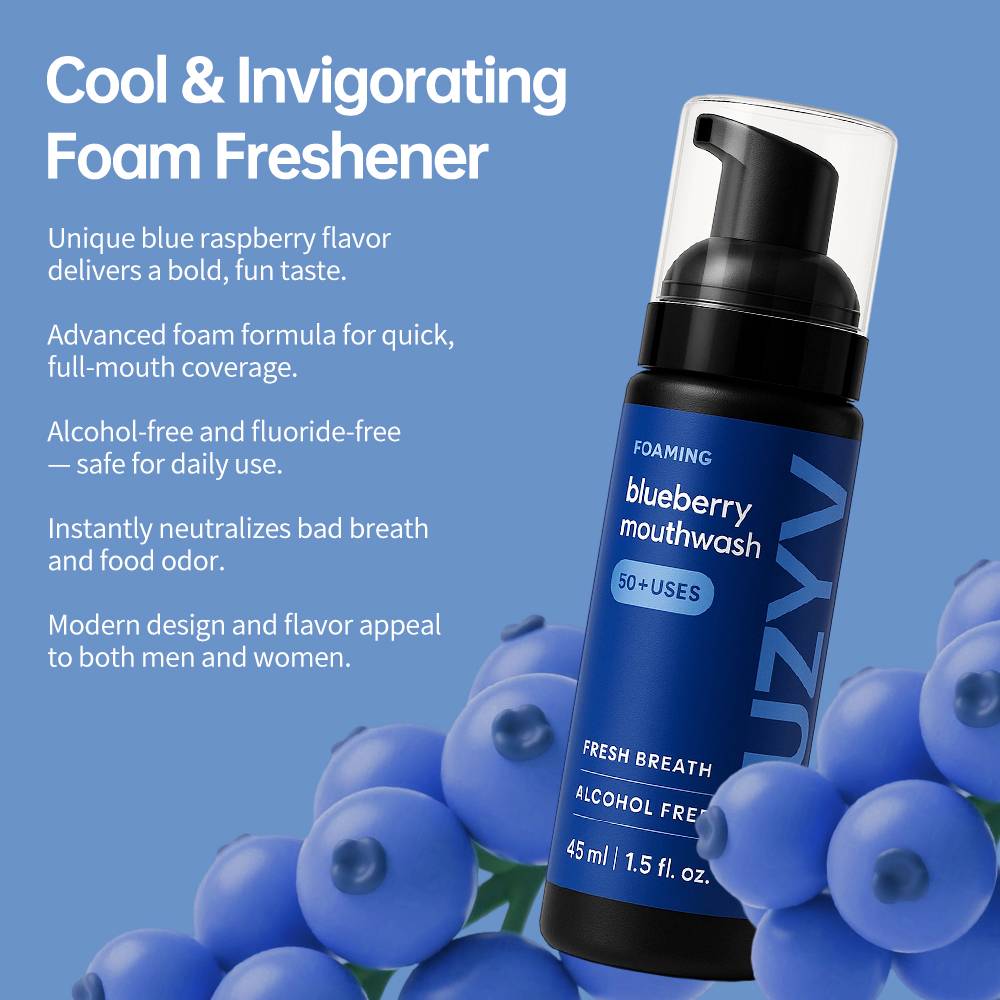
![Blueberry Mousse Mouthwash – Alcohol-Free Foaming Mouth Rinse]()
![Watermelon Mousse Mouthwash – Refreshing Alcohol-Free Foaming Rinse]()
![Strawberry Mousse Mouthwash – Alcohol-Free Foaming Rinse for Fresh Breath]()
![Coconut Probiotic Oral Spray – Alcohol-Free Fresh Breath Care]()