
- Home
-
![]()
3-Second Instant Foaming: The Luxury Of Toothpaste Tablets
Views: 0 Author: Site Editor Publish Time: 2026-02-05 Origin: Site
![facebook sharing button]()
![twitter sharing button]()
![line sharing button]()
![wechat sharing button]()
![linkedin sharing button]()
![pinterest sharing button]()
![whatsapp sharing button]()
![kakao sharing button]()
![snapchat sharing button]()
![telegram sharing button]()
![sharethis sharing button]()
For years, the oral care industry faced a stubborn barrier to sustainable innovation: texture. Early adopters of zero-waste dental care often had to endure a gritty, chalky experience that felt more like chewing on a vitamin than brushing their teeth. This lack of sensory satisfaction kept millions of consumers tethered to plastic tubes, despite the environmental cost. However, the narrative has shifted dramatically. Modern formulations have solved the "chalky" stigma, ushering in a new era of oral hygiene that feels luxurious rather than sacrificial.
The concept of "3-second instant foaming" serves as the bridge between the familiarity of traditional paste and the eco-friendly benefits of dry formats. By replicating the rich lather users expect, manufacturers have transformed a simple eco-swap into a functional upgrade. This shift positions the switch not merely as a concession to the planet, but as a superior, travel-ready oral care routine. In this article, we explore how science and sustainability have merged to create a premium dental experience.
Key Takeaways
Texture Matters: New-generation tablets utilize natural foaming agents (like tapioca or coconut-derived surfactants) to replicate the "clean" feel of paste without SLS.
Efficacy Standards: Look for Nano-Hydroxyapatite (n-Ha) concentrations (approx. 5%) or Fluoride options to ensure remineralization matches clinical standards.
RDA & Safety: Quality tablets maintain low Relative Dentin Abrasivity (RDA < 30) to polish without eroding enamel.
Zero-Waste ROI: Beyond the 400 million tubes discarded annually, waterless shipping significantly reduces the carbon footprint of your daily routine.
The Tube Problem: Why the Market is Moving to Dry Format
The transition away from traditional toothpaste is driven by a convergence of environmental urgency and user experience failures. For decades, the plastic tube has been the default, yet it remains one of the most problematic items in our bathrooms. We are seeing a massive market correction as consumers realize that the wet paste format is inefficient, messy, and ecologically disastrous.
The Environmental Crisis
The statistics are staggering. In the United States alone, approximately 400 million toothpaste tubes are discarded every year. These aren't just simple plastics; they are complex nightmares for recycling centers. Traditional tubes utilize multi-layer laminates, often sandwiching aluminum between layers of plastic to protect the paste inside. This fusion of materials makes them nearly impossible to process in standard recycling facilities. Consequently, they end up in landfills or oceans, where they persist for centuries. Shifting to toothpaste tablets eliminates this multi-layer packaging entirely, allowing for glass, tin, or compostable alternatives.
The User Experience Friction
Beyond the waste, the traditional tube is functionally flawed. We have all experienced the frustration of the "gunked up" cap or the residue left on bathroom counters. It is messy and unhygienic. Furthermore, tubes encourage waste through lack of dosage control. Marketing visuals often show a long strip of paste covering the entire brush head, leading users to over-apply product. Tablets offer a precise, pre-measured dosage every time. You use exactly what you need, nothing more.
Travel logistics also play a major role in this shift. Frequent flyers know the anxiety of the TSA 3-1-1 rule. Is the tube too big? Will it leak in the carry-on? Solid tablets bypass these liquid restrictions entirely, streamlining the travel experience.
The Hygiene Hypothesis
There is also a scientific argument for dry formats regarding bacterial growth. Traditional paste is a water-based medium (high water activity), which is a breeding ground for bacteria. To counteract this, manufacturers must load pastes with potent preservatives. In contrast, the dehydrated advantage of tablets means they are naturally shelf-stable. They do not require aggressive preservatives to stay fresh, significantly reducing your daily chemical exposure.
Mechanics of the "Instant Foam": How It Works
The primary reason consumers hesitated to switch in the past was the "mouthfeel." Early iterations of tablets were essentially pressed powder. They crumbled into a dry dust that required significant saliva to become workable. Today, the mechanics have evolved into a sophisticated "soft-press" technology that prioritizes instant foaming.
Solving the Texture Gap
Modern tablets bridge the texture gap through clever chemistry. The goal is to replicate the foam of SLS (Sodium Lauryl Sulfate) without the irritation often associated with it. This is achieved through a combination of natural effervescent agents.
Component Function in Tablet Common Source Sodium Bicarbonate Provides mild effervescence and gentle polishing. Mineral (Baking Soda) Citric Acid / Cream of Tartar Activates the "fizz" instantly upon hydration. Citrus fruits / Winemaking byproduct Surfactants Creates rich lather to disperse ingredients. Coconut (Sodium Cocoyl Isethionate) Sodium Cocoyl Isethionate (SCI) is a standout ingredient here. Derived from coconut oil, it provides a dense, luxurious foam that rivals traditional paste, ensuring the tablet feels like a cleanser rather than a mint.
Custom Toothpaste Tablets and Flavor Innovation
The dry format also opens the door for incredible versatility in formulation. Because water is removed, the stability of flavor compounds improves. This allows manufacturers to produce custom toothpaste tablets with personalized profiles that would degrade in a liquid paste. For example, brands can create watermelon-strawberry blends for sensitive palates or incorporate functional ingredients like matcha or charcoal without destabilizing the formula. This customization capability turns a commodity product into a personalized wellness tool.
The 3-Second Routine
The "instant" aspect is critical. The workflow is simple: Pop, Chew, Brush. However, the engineering required to make a tablet dissolve in under three seconds is precise. If a tablet is too hard, users risk grinding solids against their enamel, causing abrasion. If it is too soft, it crumbles in the jar. The ideal tablet yields immediately to chewing pressure, turning into a smooth foam before the toothbrush bristles even touch the teeth. This speed ensures that the mechanical action of brushing is cleaning your teeth with a paste, not scrubbing them with grit.
Critical Evaluation Framework: Ingredients and Efficacy
Not all tablets are created equal. When evaluating a switch to this luxury format, you must audit the ingredient list against clinical standards. A tablet might foam beautifully, but if it fails to remineralize enamel, it is merely a breath mint.
Remineralization Agents (The "Gold Standard" Check)
The most critical component is the active ingredient responsible for repairing enamel. Traditionally, Fluoride has been the undisputed king. It is proven, effective, and FDA-monitored. For users who prioritize cavity protection, verifying the presence of Fluoride is essential.
However, a powerful alternative has emerged: Nano-Hydroxyapatite (n-Ha). This biomimetic agent makes up 97% of our enamel naturally. When used in toothpaste, n-Ha fills microscopic lesions in the tooth surface, remineralizing teeth from the outside in. For clinical efficacy, you should look for transparency regarding concentration. A concentration of approximately 5% n-Ha is generally considered the benchmark for matching the performance of fluoride. It offers a restorative effect without the toxicity concerns some users have regarding fluoride ingestion.
Abrasivity Levels (RDA)
The second metric to check is Relative Dentin Abrasivity (RDA). This score measures how erosive a toothpaste is to your dentin.
High RDA (100+): Often found in "whitening" pastes; can scratch enamel over time.
Low RDA (< 70): Safe for daily use.
Tablet Target (RDA ~20–30): Quality tablets aim for this ultra-low zone.
Because you are chewing the product, low abrasivity is non-negotiable. You want the cleaning power to come from the surfactants and the toothbrush bristles, not from scouring your teeth with harsh silica.
"Free-From" Compliance
Modern luxury is defined as much by what is absent as what is present.
SLS-Free: Sodium Lauryl Sulfate is a common foaming agent in cheap pastes but is linked to canker sores and mucosal irritation. Quality tablets use gentler alternatives.
Microplastics: Some pastes use synthetic glitters or dissolving beads. Tablets should ensure all texturizers are natural to avoid introducing microplastics into your body or the water system.Xylitol & Microbiome
Birch-derived Xylitol is a staple in tablet formulations. It does more than sweeten; it actively starves decay-causing bacteria like Streptococcus mutans. It also helps neutralize acidity in the mouth. However, a crucial safety note applies: Xylitol is highly toxic to dogs. While safe for humans, tablet jars must be kept out of reach of pets.
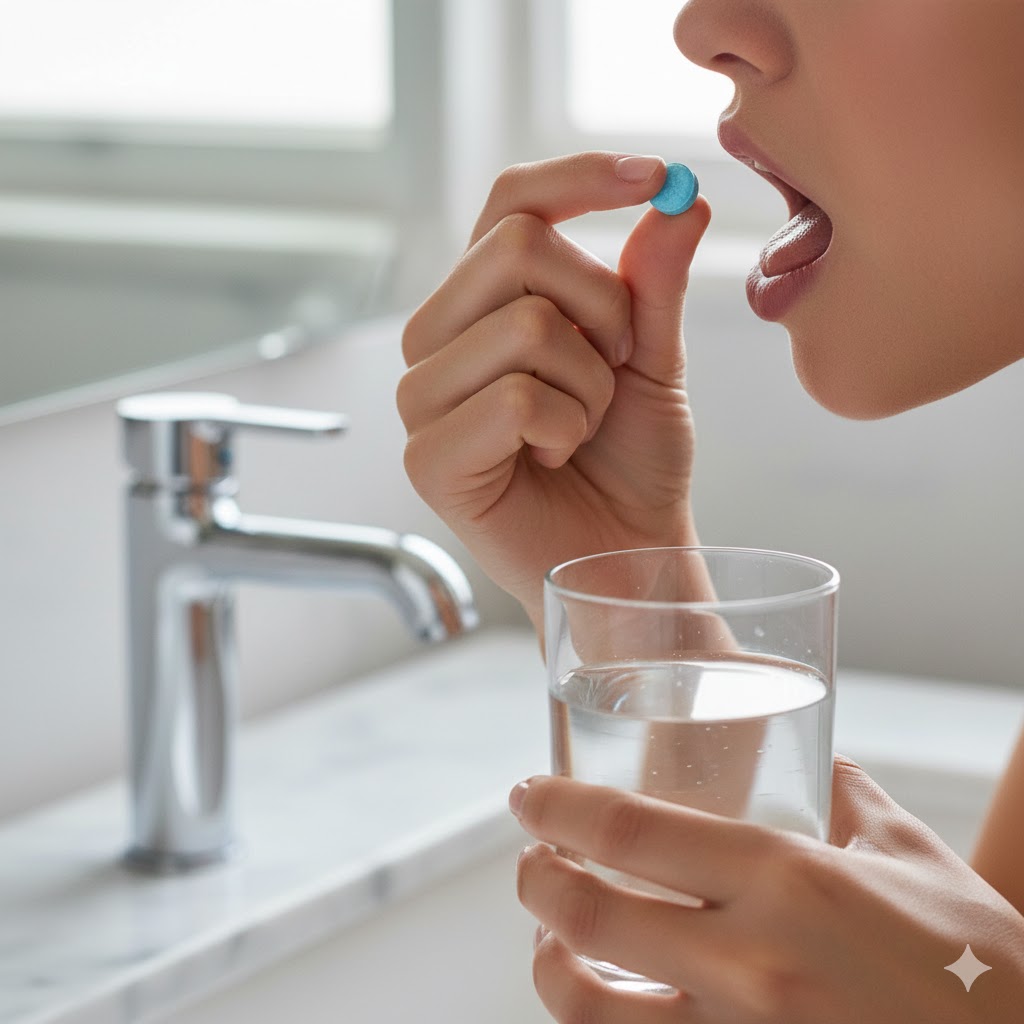
![Using mint toothpaste tab at sink]()
Cost Analysis and Environmental ROI
At first glance, a jar of tablets often carries a higher price tag than a drugstore tube. However, a Total Cost of Ownership (TCO) analysis reveals a different story when you factor in waste, logistics, and dental health.
Direct Cost Comparison
Studies suggest that the average person over-squeezes toothpaste by up to 40%, washing nearly half the tube down the drain unused. A tablet offers 100% yield efficiency. One tablet equals one brush. When you calculate the "cost-per-brush" rather than the shelf price, the premium gap narrows significantly. You are paying for usable product, not waste.
The "Hidden" Costs of Logistics
The environmental ROI extends far beyond the bathroom. "Liquid-free" means shipping active ingredients, not water. Water is heavy and expensive to transport. By eliminating it, brands significantly reduce the fuel required for shipping, lowering the carbon footprint of the entire supply chain. Furthermore, the packaging lifecycle is superior. Glass and aluminum are infinitely recyclable materials. Compostable pouches, often used for refills, should be inspected for wood-cellulose zippers to ensure they are truly home compostable.
Dental Health TCO
Finally, consider the long-term value of using low-abrasion cleansers. High-abrasion pastes might whiten teeth quickly but can thin enamel over decades, leading to sensitivity and expensive restorative procedures. Investing in a low-RDA, high-n-Ha tablet acts as an insurance policy for your enamel integrity.
Implementation: Transitioning from Paste to Tablet
Making the switch requires a brief adjustment period. Understanding what to expect ensures you don't abandon the routine before experiencing the benefits.
The Sensory Adjustment Curve
The first three days are the hurdle. The initial lack of viscosity before the foam kicks in can feel strange to a brain wired for gel. The best tip for success is to chew thoroughly. Crush the tablet into a fine paste with your molars before wetting your toothbrush. This maximizes the surface area for the foaming agents to activate, creating that familiar lather instantly.
Storage Best Practices
Tablets are hydrophilic—they love water. If exposed to humidity, they will absorb moisture from the air and crumble or clump.
Store them in airtight jars or tins.
Do not handle tablets with wet hands; pour them into the cap first.
When refilling, wash and completely dry the container. Any residual moisture can spoil the new batch.
Travel & Mobility
The travel benefits are immediate. Instead of guessing how much paste remains in a tube, you can count out exactly 14 tablets for a week-long trip. They take up virtually no space and never risk exploding over your clothes due to cabin pressure changes.
Family Safety
For families, safety is paramount. Tablets can look like candy. Keep them secured away from very small children to prevent choking hazards. For older kids, look for "kid-friendly" flavors like berry blends that avoid the spicy "burn" of adult peppermint, making the bedtime routine less of a battle.
Conclusion
Toothpaste tablets have graduated from being a niche "camping accessory" to a premium daily driver for the eco-conscious consumer. The days of gritty, chalky powders are behind us. Today, the best tablet is one that balances high-performance ingredients like Nano-Hydroxyapatite or Fluoride with low abrasion and a luxurious foaming experience.
By making the switch, you gain precise dosage, travel freedom, and a cleaner bathroom counter, all while removing plastic from the waste stream. We encourage you to audit your current oral care routine. Look at the plastic tube sitting by the sink and consider the "3-second switch." It is a small change in routine that delivers a massive upgrade in lifestyle and sustainability.
FAQ
Q: Do toothpaste tablets actually clean as well as paste?
A: Yes. Cleaning relies on mechanical removal (brushing) and chemical support (surfactants). Tablets provide the surfactants for cleaning and agents like silica for mild polishing. If they contain Fluoride or Nano-Hydroxyapatite, they also provide the same remineralization benefits as clinical pastes. The format (solid vs. paste) does not compromise efficacy as long as the active ingredients are present.
Q: Why do some tablets taste chalky?
A: Chalky taste usually indicates a "pressed powder" tablet that lacks modern foaming agents or uses calcium carbonate as the primary base without enough flavor balancing. High-quality foaming tablets use coconut-derived surfactants and xylitol to create a smooth, rich texture that mimics traditional paste, eliminating the dry, dusty sensation.
Q: Are toothpaste tablets safe for electric toothbrushes?
A: Absolutely. They work perfectly with sonic and oscillating brushes. The key is to chew the tablet into a paste before turning the toothbrush on. This ensures the paste is distributed on the teeth rather than the brush head vibrating a solid chunk around your mouth.
Q: Can I fly with toothpaste tablets?
A: Yes, this is one of their biggest advantages. Since they are solid, they are exempt from the TSA 3-1-1 liquid rule. You can pack a full year's supply in your carry-on without any restrictions, unlike toothpaste tubes which are limited to 3.4 ounces.
Q: Is Nano-Hydroxyapatite better than Fluoride?
A: "Better" depends on your goals. Fluoride has a longer history of clinical data for cavity prevention. However, Nano-Hydroxyapatite (n-Ha) is biomimetic and non-toxic, making it safer for swallowing. n-Ha is excellent for reducing sensitivity and remineralizing enamel. Many users prefer n-Ha for a natural but effective alternative, while others stick to Fluoride for established cavity protection.
![Nano Foam Capsule – Revolutionary Portable Oral Cleanse Capsule]()
![BioGuardian Probiotic Toothpaste Tablets with Prebiotic Formula]()
![Rapid Relief Sensitive Care Toothpaste Tablets]()
![Prebiotic Toothpaste Tablets for Oral Microbiome Balance]()
![test0124]()
![Anhydrous Prebiotic Toothpaste Tablets (Inulin & FOS Bio-Delivery System) 2026]()
![Test]()
![Nocturnal Source Tart Cherry Sleep Toothpaste Tablets]()